
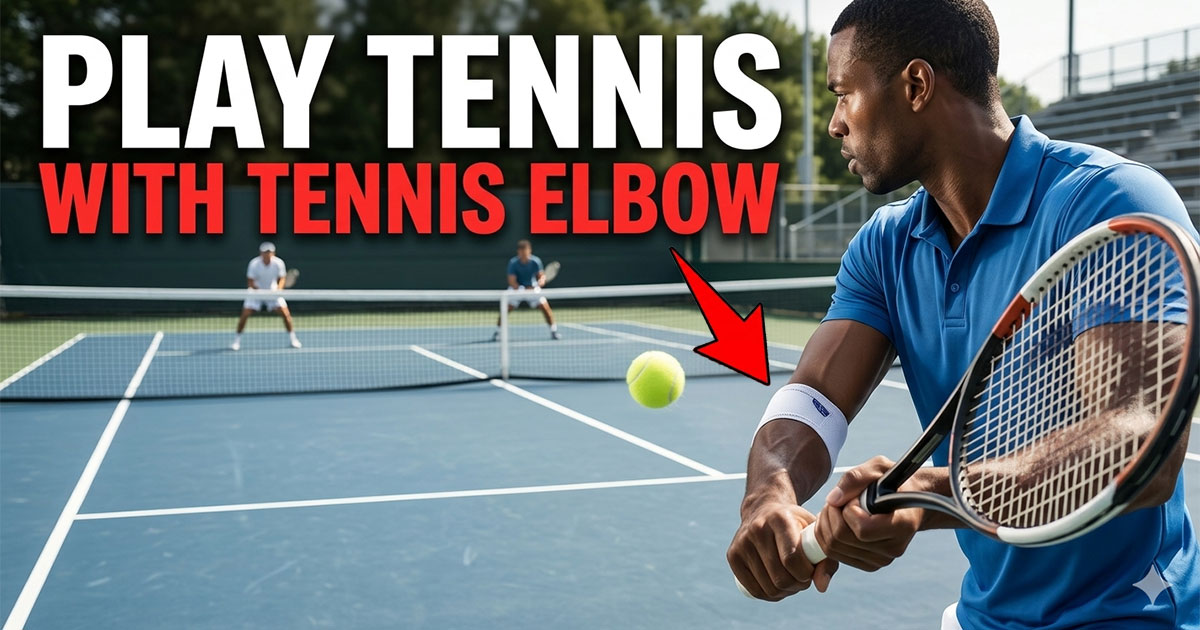
Let me be clear about something upfront.
The correct advice is to rest. Every physio, every sports doctor, every responsible health website will tell you the same thing — if you have tennis elbow, stop playing and let it heal.
I didn’t do that. I’m guessing you’re not going to either.
So instead of telling you what you should do, let me tell you what I actually did — and what I’ve seen work for players in my circle who refused to sit out. If you’re going to play through tennis elbow, at least do it intelligently.
Adjust Your Game, Not Just Your Arm
The first shift isn’t physical. It’s mental.
When you’re playing with tennis elbow, the goal is no longer to win. It’s not to hit the biggest forehand, chase down every ball, or prove you’re still the player you were before the injury. The goal is simple: stay on the court without making things worse.
That requires a different kind of tennis. Smarter tennis. And honestly — for a lot of recreational players — it ends up being better tennis too.
Play doubles, not singles
This is the single most important adjustment. Doubles cuts your court coverage in half, reduces the intensity of every rally, and takes enormous pressure off your arm. You’re not sprinting corner to corner on every point. You’re playing smart positioning tennis from a smaller area.
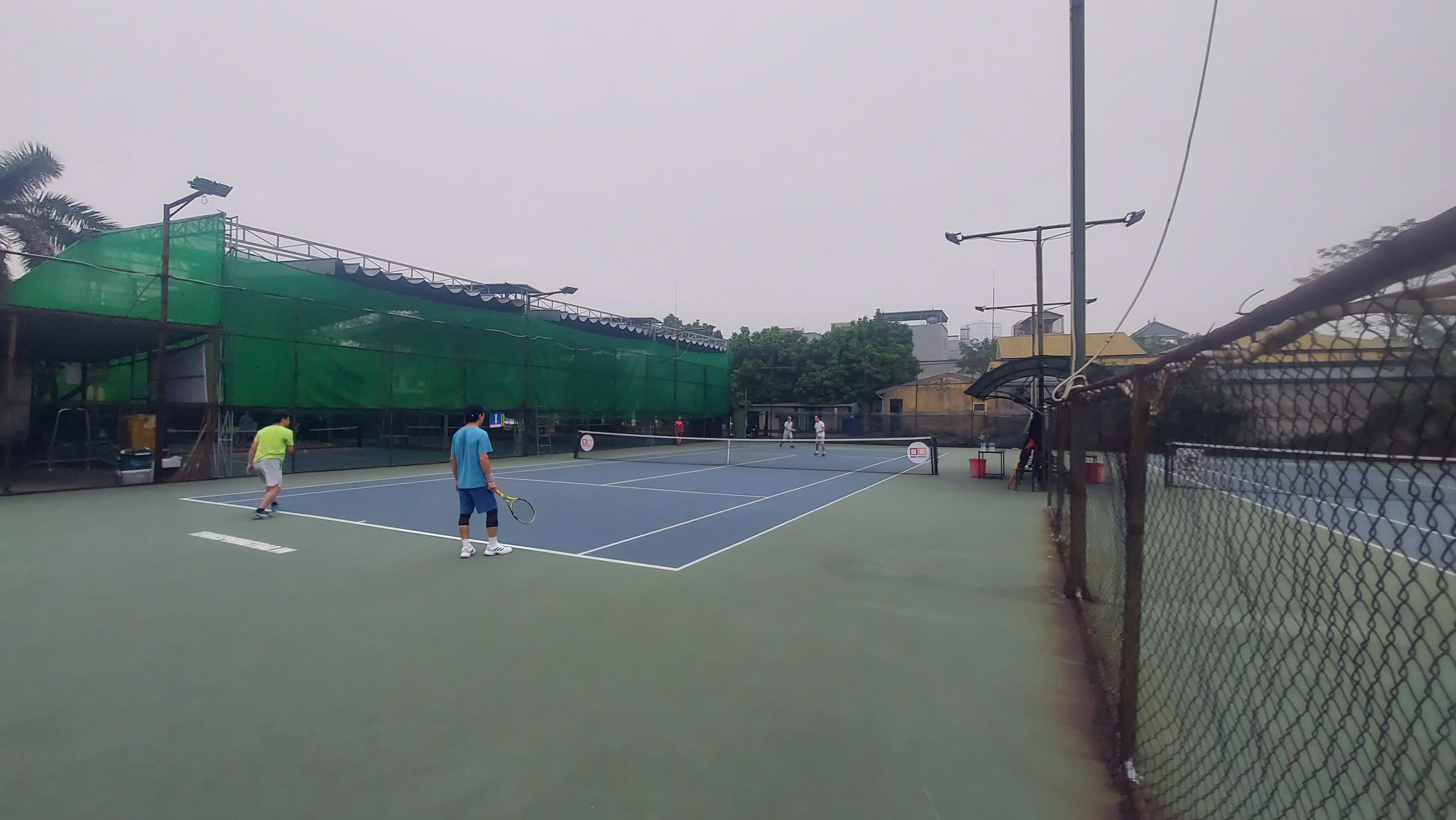
Singles when you have tennis elbow is just unnecessary punishment. Save it for when you’re recovered.
Choose your partners wisely
This one sounds simple. It matters more than you’d think.
Play with people who know about your elbow and actually respect it. Not the competitive types who’ll exploit it, not the well-meaning ones who’ll feel guilty every point — the ones who’ll cover a bit more court, ease off the pace when needed, and not make a big deal of it either way.
If you can find a partner who’s slightly better than you — even better. They can carry more of the load while you focus on staying sharp without overdoing it. There’s no shame in that arrangement. It’s just smart recovery tennis.
Stay out of competitive matches and tournaments
No challenge matches. No club tournaments. No “friendly” competitions that somehow always end up feeling very unfriendly.
The moment there’s something at stake, your brain overrides your body. You’ll go for the big serve you shouldn’t go for. You’ll lunge for the ball you should let go. You’ll push through pain you should be managing.
This is temporary. A few weeks of non-competitive play is not the end of your tennis life. Three months on the sideline because you couldn’t resist a challenge match — that’s the end of your season.
Shots to Avoid, Shots to Modify
Not all tennis strokes are equal when it comes to tennis elbow stress. Some are fine. Some will set you back a week.
Backhand slice — minimize it
This is the worst offender for lateral epicondylitis. The combination of pronation, wrist extension, and impact at contact creates exactly the kind of stress your tendon hates most. If you have a slice backhand in your game, take it out of rotation for now. Use topspin or block returns instead.

One-handed backhand — be careful
One-handed backhand puts significant load on the forearm extensors — the same muscles involved in tennis elbow. Reduce the pace. Avoid going for heavy topspin. If it hurts, don’t do it.
Two-handed backhand players — you’re largely fine. The non-dominant arm takes most of the load. Play on.
The serve — stop trying to ace people
Big serves require maximum wrist snap and forearm rotation at contact. That’s a lot of stress on an already irritated tendon, repeated every service game.
Simplify your serve. Focus on placement and consistency rather than pace. A well-placed 70% serve is more effective than a painful 100% one anyway — and your elbow will thank you.
Aggressive winners — leave them
The temptation to end points with a heavy ball is real. Resist it. Powerful attacking shots require maximum grip and forearm engagement at contact — exactly what you’re trying to reduce.
Instead: think placement, angles, and touch. Drop shots. Angled volleys. Soft winners that make your opponent move. This kind of tennis is harder to play well than hitting through people — and it’ll quietly improve your game while your elbow recovers.
Defensive saves on difficult balls — let them go
This one is psychologically the hardest. When a ball is coming at you fast and low, instinct takes over. You lunge, you flick, you muscle the ball back somehow.
With tennis elbow, that instinct will cost you. Accept the lost point. Drop your racket, let it go, reset for the next one. One point is not worth a setback.
Equipment That Helps (And One Thing That Didn’t Help Me)
You don’t need to buy anything new to play through tennis elbow. But the right equipment makes a meaningful difference.
Lighter racket. Less weight means less force through the arm on every contact point. If you have access to a lighter racket — borrow one if you have to — try it for a few weeks. I switched from a 295g racket to a 225g power racket and the difference was immediate.
Soft strings, lower tension. Stiff polyester strings amplify vibration. Soft multifilament or nylon strings absorb it. If you’re overdue for a restring, this is the time to go softer and looser.
Correct grip size. Too small forces you to grip harder. More gripping force means more forearm tension means more tendon stress. Worth checking.
Brace during play. A counterforce strap worn during play reduces the load on the tendon at the attachment point. It won’t fix anything, but it can take the edge off enough to get through a session more comfortably.
→ Honest brace recommendations: [Best Tennis Elbow Brace for Tennis Players]
Vibration dampener — honest note.
I tried one. It didn’t make a noticeable difference for me personally. Some players swear by them. If you already use one and find it helpful, keep using it. If you’re buying one hoping it’ll solve your tennis elbow — manage your expectations.
Before and After Every Session
When you’re playing with tennis elbow, warm-up and cool-down are no longer optional extras. They’re part of the treatment.
Warm up longer than usual
Normally fifteen minutes is fine. When your elbow is angry, give it twenty. Shadow swings through every stroke, short court rally, gradual build-up to full pace. Your tendon needs more time to get ready for load when it’s already inflamed.
Ice after you play
Fifteen minutes on the outside of the elbow after every session. Reduces the inflammation that accumulates during play. Easy, free, and consistently underused by recreational players.
Keep doing your exercises — especially on court days.
It’s tempting to skip the stretching and strengthening on days you’ve already played. Don’t. The exercises are what’s keeping your recovery moving forward. Play and exercises together, not one or the other.
→ Full exercise routine: [Tennis Elbow Exercises That Actually Work]
The Mindset That Gets You Through
Here’s the thing nobody tells you about playing tennis with an injury.
It’s not just physically harder. It’s mentally harder. Every lost point feels amplified. Every missed shot that you’d normally chase down feels like a reminder that you’re not fully yourself out there. The competitive instinct — the thing that makes tennis players tennis players — works against you.
The shift that helped me most was this: stop measuring this period by your normal standards.
You’re not playing to win right now. You’re playing to maintain your connection to the game while your body heals. Those are completely different goals, and they require a completely different scorecard.
A session where you stayed controlled, avoided the big shots, played smart doubles tennis and came home with your elbow no worse than when you left — that’s a successful session. Full stop.
One month of 70% tennis beats three months of sitting at home waiting to heal.
And here’s the other thing: playing within yourself, focusing on placement over power, thinking two shots ahead instead of going for broke — these are skills. Real tennis skills. Players who develop them because they had to often find they don’t want to give them up when they’re fully healthy again.
Your elbow is making you a smarter player. Might as well lean into it.
How to Play Tennis With Tennis Elbow: Final Notes
Tennis elbow is not a permanent condition for most players. It heals. The court will still be there. Your game will come back — and if you manage this period intelligently, it’ll come back stronger.
Rest when you can. Play when you must. Warm up properly, cool down consistently, do the exercises, and choose your battles on the court.
And when someone challenges you to a match you know you shouldn’t be playing — smile, decline, and go hit some soft crosscourt forehands with someone who understands.
That’s not a weakness. That’s knowing what actually matters.
→ [How to Fix Tennis Elbow: What Actually Worked for Me at 47] → [Tennis Elbow Exercises That Actually Work] → [Best Tennis Elbow Brace for Tennis Players]
— Michael